







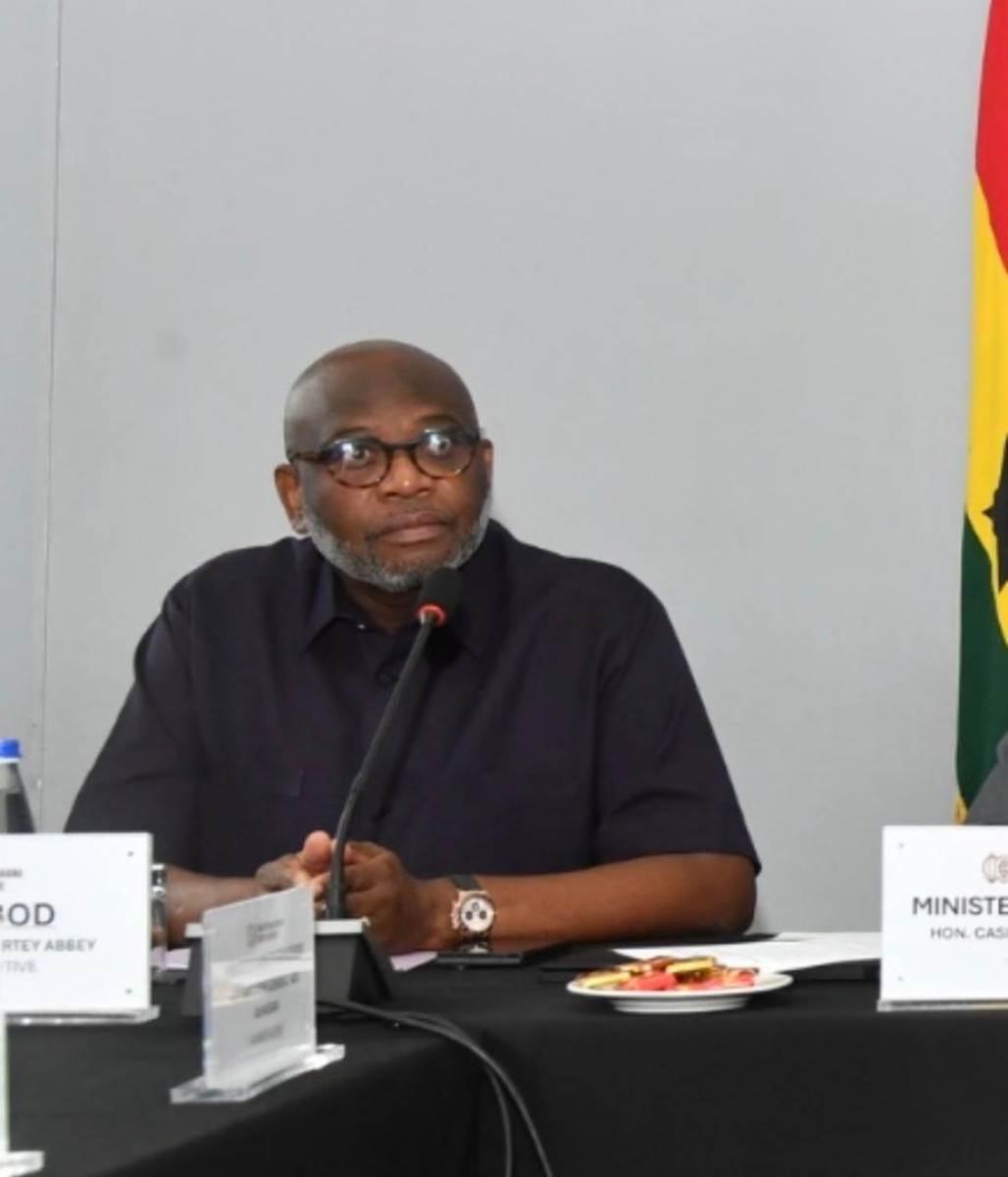
The Chief Executive Officer of the Ghana Cocoa Board (COCOBOD), Dr. Randy Abbey, has called for greater trust, transparency, and commitment between Ghana and Côte d’Ivoire as both countries intensify efforts to strengthen cooperation and secure increased value for their cocoa on the international market.
Speaking at a meeting of the Côte d’Ivoire–Ghana Cocoa Initiative (CIGCI) in Abidjan, Dr. Abbey emphasized that sustained collaboration between the world’s two largest cocoa-producing nations remains essential for improving farmer incomes, strengthening market influence, and ensuring the long-term sustainability of the cocoa sector. 
According to him, although both countries have made significant progress through the Initiative in advancing their shared interests, future success will depend on their ability to deepen mutual trust and maintain a united strategic approach to key industry issues, particularly cocoa pricing.
“Ghana and Côte d’Ivoire have a unique opportunity to shape the future of the global cocoa industry. However, this can only be achieved if we continue to work together in a spirit of openness, honesty, and trust,” Dr. Abbey stated.
He noted that Ghana and Côte d’Ivoire, which together produce more than 60 percent of the world’s cocoa, hold substantial influence within the global cocoa value chain. He therefore urged both nations to move beyond discussions and demonstrate a firm commitment to coordinated action aimed at protecting the interests of cocoa farmers.
“With one accord, the two countries can achieve a lot in terms of price on the international market,” he stressed.
Dr. Abbey observed that fragmented approaches to cocoa pricing and market engagement could undermine efforts to secure fair value for producers. In contrast, stronger cooperation, he said, would enhance the bargaining power of both countries and improve returns from cocoa exports.
He further underscored the importance of transparency in all collaborative arrangements, describing trust as the cornerstone of every successful partnership.
“The discussions we hold must be matched by practical actions and mutual confidence. Without trust and transparency, it becomes difficult to achieve the common objectives we seek for our farmers and our economies,” he added.
The COCOBOD Chief Executive also highlighted the need for continued collaboration on broader challenges facing the cocoa industry, including sustainability, traceability, climate resilience, and farmer welfare.
The Côte d’Ivoire–Ghana Cocoa Initiative was established to deepen strategic cooperation between the two countries and provide a platform for addressing common challenges within the cocoa sector. The Initiative also seeks to promote policies that improve the livelihoods of cocoa farmers across both nations.
Industry stakeholders have long maintained that closer coordination between Ghana and Côte d’Ivoire is critical to strengthening their influence in the global cocoa market, increasing value retention within producing countries, and ensuring farmers receive a fairer share of the wealth generated from cocoa.
As global demand for sustainably sourced cocoa continues to rise and regulatory requirements become more stringent, analysts believe a stronger Ghana–Côte d’Ivoire partnership will play a decisive role in shaping the future of international cocoa trade and improving the welfare of millions of cocoa farming households across West Africa.