


President John Dramani Mahama has expressed confidence that Accra will recover from the recent floods, urging residents to actively participate in the ongoing National Clean-up Exercise to restore the capital through collective action.
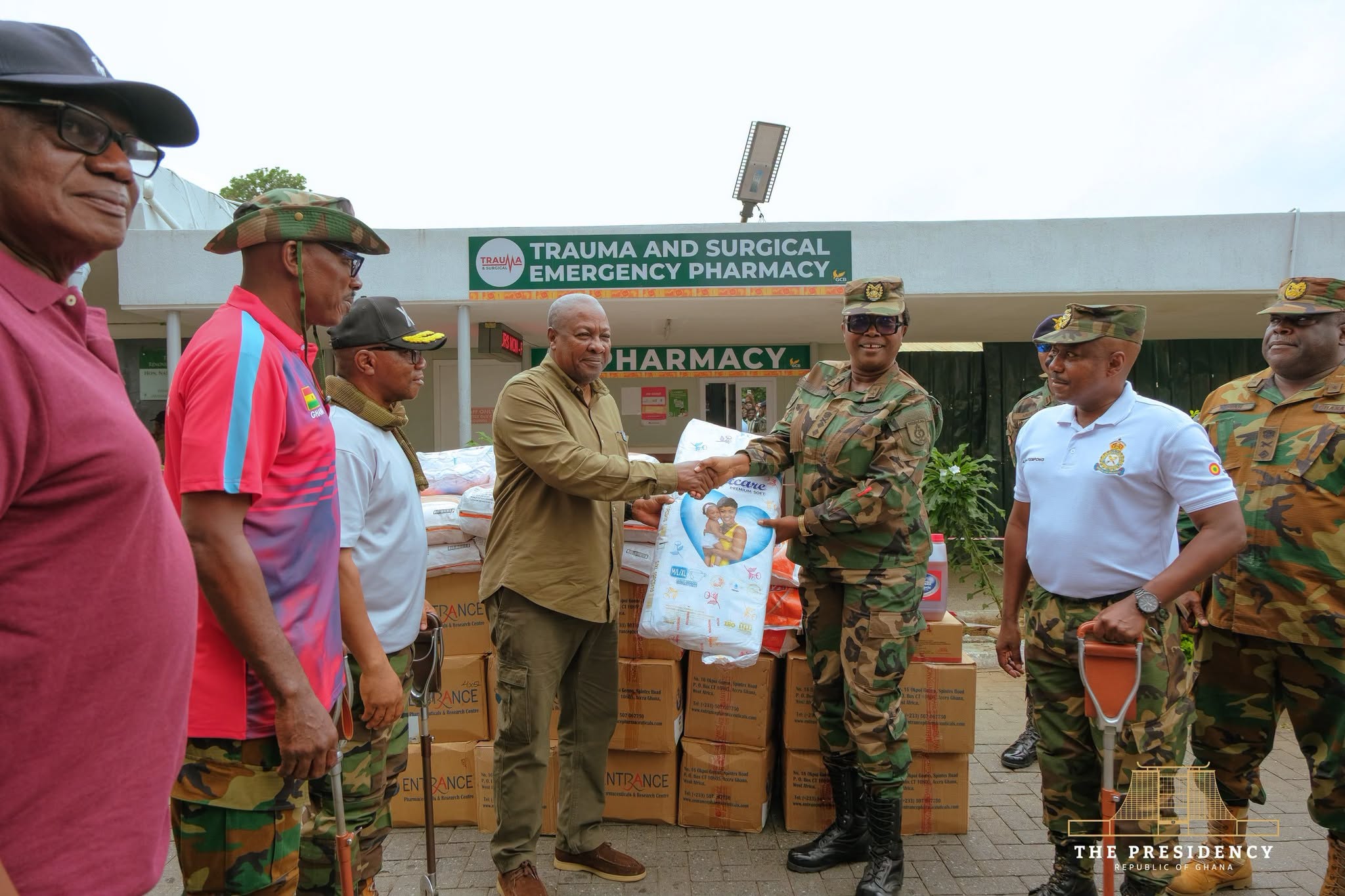
Speaking during an inspection of clean-up activities at Alajo in Accra on Saturday, July 11, 2026, the President commended residents for their strong participation in the exercise but appealed to those who were yet to join to come out and support the effort.
“I want all of us to remember that today is day two of the national cleaning exercise. Yesterday the turnout was fantastic, very good. People came out and helped to clean their neighbourhoods. Today the turnout is also good, but I’m just calling on those who are still in their houses and haven’t come out. Please come out and come and join us so that we clean the city after the flood,” he said.
President Mahama thanked volunteers, community members and other stakeholders who had taken part in the exercise, stressing that rebuilding the city required the commitment of every resident.
“We are doing this together, and Ghana is a resilient country, Accra is a resilient city, and we’ll bounce back better than before,” he stated.
The President explained that the focus of the second day of the nationwide exercise extended beyond desilting drains to ensuring that waste removed from gutters was promptly collected and disposed of to prevent it from being washed back into the drainage system during future rains.
He noted that previous clean-up exercises often failed to achieve lasting results because garbage cleared from drains was left along roadsides, only to be washed back into the gutters when it rained.
“Yesterday, one of the directives I gave was that in the past, we did these cleanups, we took all the garbage out of the gutters, but we didn’t follow up and come and collect the garbage that is by the roadside. And so when the rain falls, it just washes all the dirt back in,” he explained.
The National Clean-up Exercise forms part of the government’s efforts to restore sanitation in flood-affected communities and reduce the risk of future flooding through sustained environmental management and public participation.